What to expect in the first psychotherapy session
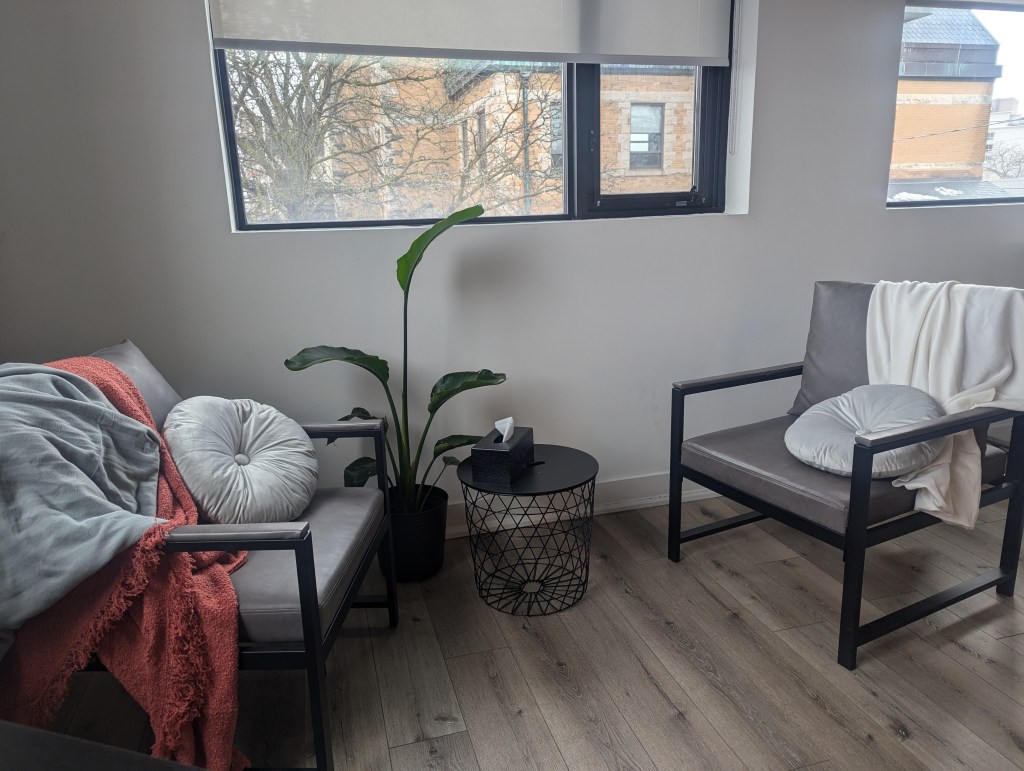
Starting therapy can feel like a big step, and it’s completely natural to feel anxious or uncertain about what to expect. Whether you’re seeking therapy for the first time or returning after a break, understanding what happens during your first psychotherapy session can help reduce any worries and make the experience feel more comfortable.
Here’s a breakdown of what you can expect during your initial therapy session, so you can go into it with more confidence and clarity.
1. The Therapist’s Role and Approach
At the beginning of the session, I will introduce myself and explain my therapeutic approach, how I like to structure sessions and my philosophy on therapy along with different techniques I commonly use.
2. Confidentiality and Boundaries
One of the most important aspects of therapy is confidentiality. I will explain my confidentiality policy to ensure you feel safe in sharing personal information.
We’lll also discuss the boundaries of the therapeutic relationship—what is expected in terms of attendance, communication, and how to navigate any potential issues that arise during therapy.
3. The Intake Process
The first session will usually involve some form of intake process. This is where I will ask questions to better understand your background, current challenges, and what brings you to therapy. This may include:
- Personal history: We will explore your family, relationships, education, and work history.
- Mental health history: Questions about past mental health concerns, including any previous therapy or treatment.
- Current issues: What is going on in your life right now that prompted you to seek therapy? This might include stress, anxiety, depression, relationship difficulties, trauma, or other struggles.
This may sound like a lot of information to process at once, but don’t worry—it’s all part of getting a full picture of your needs and how I can best support you. The goal is to understand you as a person, not just as someone with a problem.
4. Goal Setting and Expectations
Therapy is a collaborative process, and during the first session, you’ll likely discuss what you hope to accomplish. Do you want to manage anxiety? Navigate a tough life transition? Work through grief or trauma? Setting clear goals from the outset can help guide the therapy process.
It’s important to be honest about your expectations, but also to understand that therapy can take time. Some issues may be resolved quickly, while others may require a longer-term commitment. The first session is an opportunity for you to establish a working relationship with your therapist and set a foundation for future sessions.
5. Building Rapport and Comfort
The first session is also about getting to know each other. You’ll have time to speak about your experiences, your feelings, and your life. I will listen attentively, without judgment, and may offer empathy, validation, or occasional feedback. Therapy is a space where you are allowed to express yourself freely.
At times, you might feel vulnerable or unsure. That’s normal—talking about your emotions, struggles, or personal experiences can be challenging. However, remember that it’s okay to take things at your own pace. You don’t have to dive into your deepest thoughts and feelings right away. You can start wherever feels comfortable, and just because I ask a question you always have the right to not answer it.
6. No Pressure to Solve Everything
It’s also important to understand that the first session is not meant to “fix” everything immediately. It’s common for clients to feel like they need to resolve everything during that first meeting, but the session is really about building a relationship, gathering information, and laying the groundwork for future work.
Therapy is a process that happens over time, and each session builds upon the one before it. Don’t feel discouraged if you don’t leave with all the answers or a concrete plan of action right away.
7. Practicalities and Future Sessions
Finally, at the end of the session, we will discuss the logistics of ongoing therapy including: This might include the frequency of sessions, the cost of therapy, scheduling, and payment options. You’ll also have the opportunity to discuss when the next session will be scheduled. I want to make sure that therapy is sustainable for you in your life situation so your input is the priority on this topic and we will create a plan that works for you.
In Conclusion: The Journey Begins
Your first psychotherapy session is just the beginning of what can be a transformative journey toward emotional well-being. It’s normal to feel a bit uncertain or overwhelmed, but remember that therapy is a safe, supportive space where you can work through your feelings and concerns at your own pace.
The most important thing to remember is that therapy is a partnership. I am there to guide you, but you are the expert on your own life. Building trust and a comfortable working relationship will take time, but over the course of your sessions, you’ll start to see progress.
Take a deep breath, and remember that seeking therapy is a brave and important step toward healing and growth.

 Rachel Galbraith Psychotherapy
Leave a comment